
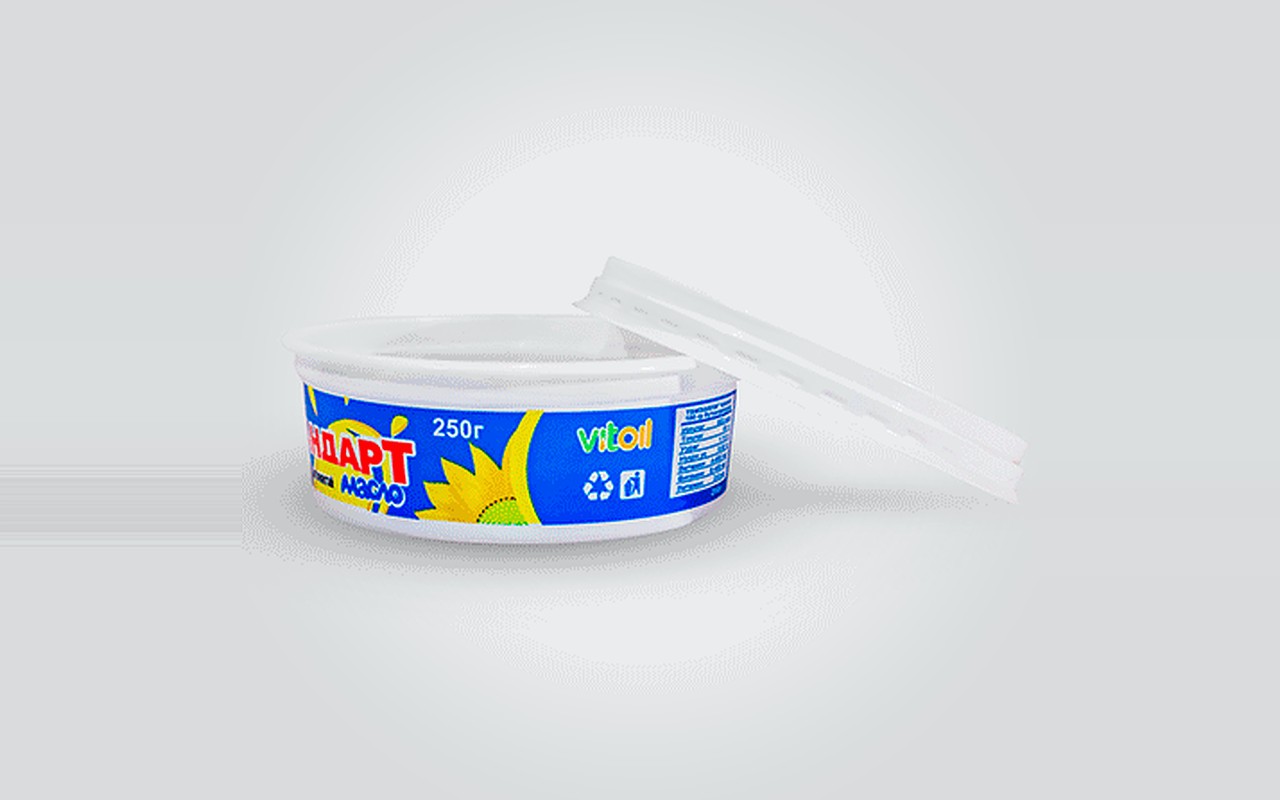
Peelable Lidding & Cup Sealing Films
The film that closes a cup, a tray or a bowl and then opens in one clean movement — without tearing, without stringing and without taking the flange with it.
Peel is a specification, not an adjective
Every complaint about a lidding film is a complaint about peel force. Too low and lids pop in distribution; too high and the customer tears the film, spills the yogurt and blames the brand. A proper lidding spec states a peel force range in newtons per fifteen millimetres, measured against the exact container resin you are using.
That last part is where most projects go wrong. A film that peels beautifully off polypropylene will weld itself permanently to PET, and a film tuned for PET will barely stick to PLA. There is no universal lid. We ask for your actual cups or trays, seal them on a lab head at your machine's temperature, time and pressure, and report the measured peel before you commit.
Weld-seal, or lock-seal, is the deliberate opposite: a permanent bond used when the pack must be cut or torn open, typically on portion packs and on products where tamper evidence matters more than convenience. Both are available; the choice belongs to how the product is eaten.
Barrier, anti-fog and the details that decide the category
For a fresh dairy dessert with a twenty-one-day chilled life, a simple PET / peelable sealant is enough. For a shelf-stable ambient pack, or anything with fat and light sensitivity, you move to a foil-based or high-barrier lid with an EVOH or metallized layer.
Anti-fog is not cosmetic when the container is transparent. Without it, the condensation from a chilled salad or a fruit cup turns the lid opaque within an hour of refrigeration and the shopper cannot see the product they are buying. It is added as a coating or built into the sealant, and it needs to survive the wash-down and the cold chain.
Reseal lidding — a lid that peels and reseals through several openings — is the premium option for multi-portion bowls and deli tubs. It costs more, it seals on standard equipment, and it eliminates the plastic overcap that most sustainability teams now want gone.
Formats: reel, die-cut lids and how they run
For automatic sealing machines we supply printed lidding on reel, slit to your web width, with the repeat, eye mark and unwind direction set for your sealer. For semi-automatic and manual lines we supply die-cut lids, stacked and counted, with or without a pull tab.
A pull tab is worth specifying. It costs a fraction of a cent and it is the difference between an elegant opening and a fingernail hunt. The tab position has to agree with your sealing head geometry so it does not sit inside the seal ring.
Print is reverse-printed under the surface for scuff resistance, and can carry variable data — lot, date, promotional codes — either from us in digital or from your own coder on line. We will tell you which is cheaper for your volume.
What this product includes
Typical applications
- Yogurt, cream, flan and chilled dairy desserts in cups
- Fruit cups, salads and cut produce with anti-fog windows
- Ready meals and prepared trays for retail and foodservice
- Portion packs of sauce, jam, honey and condiments
- Fresh pasta, protein trays and modified-atmosphere packs
- Ice cream, sorbet and frozen dessert containers
Films, resins and finishes
- PET 12 – 36 µm carrier, reverse printed for scuff resistance
- Peelable sealant layers tuned for PP, PET, PS and PLA
- Aluminium foil lidding for maximum barrier and dead-fold
- EVOH and metallized layers for ambient and oxygen-sensitive packs
- Anti-fog coatings and additives for transparent containers
- Paper and board-backed lidding for a natural look
Frequently asked questions about peelable lidding films
We ask you to send your actual containers. We seal them on a lab head at your machine's temperature, dwell and pressure, then measure peel force and report the number with the samples. Guessing from a resin name is how the industry produces lids that weld shut.
Yes, up to ten colours reverse-printed so the image sits under the film and cannot scuff in distribution. Small round lids need a rotational tolerance in the design; we will show you the safe area so the logo is never cut by the seal ring.
Yes, with a sealant tuned for PLA. Be aware that a PET-based lid on a PLA cup is no longer a compostable pack overall; if that is the claim you need, we will quote a paper or PLA-based lidding instead and tell you what it costs in barrier.
Reel lidding usually starts around 300 kg of printed film per design; die-cut lids are quoted per thousand and the minimum depends on diameter. Tooling for a die-cut shape is one time. We quote both routes so you can compare.
Let's spec your packaging
Send us the product, the process and the volume. You get a structure proposal, a tooling cost and a lead time within 24 business hours.