
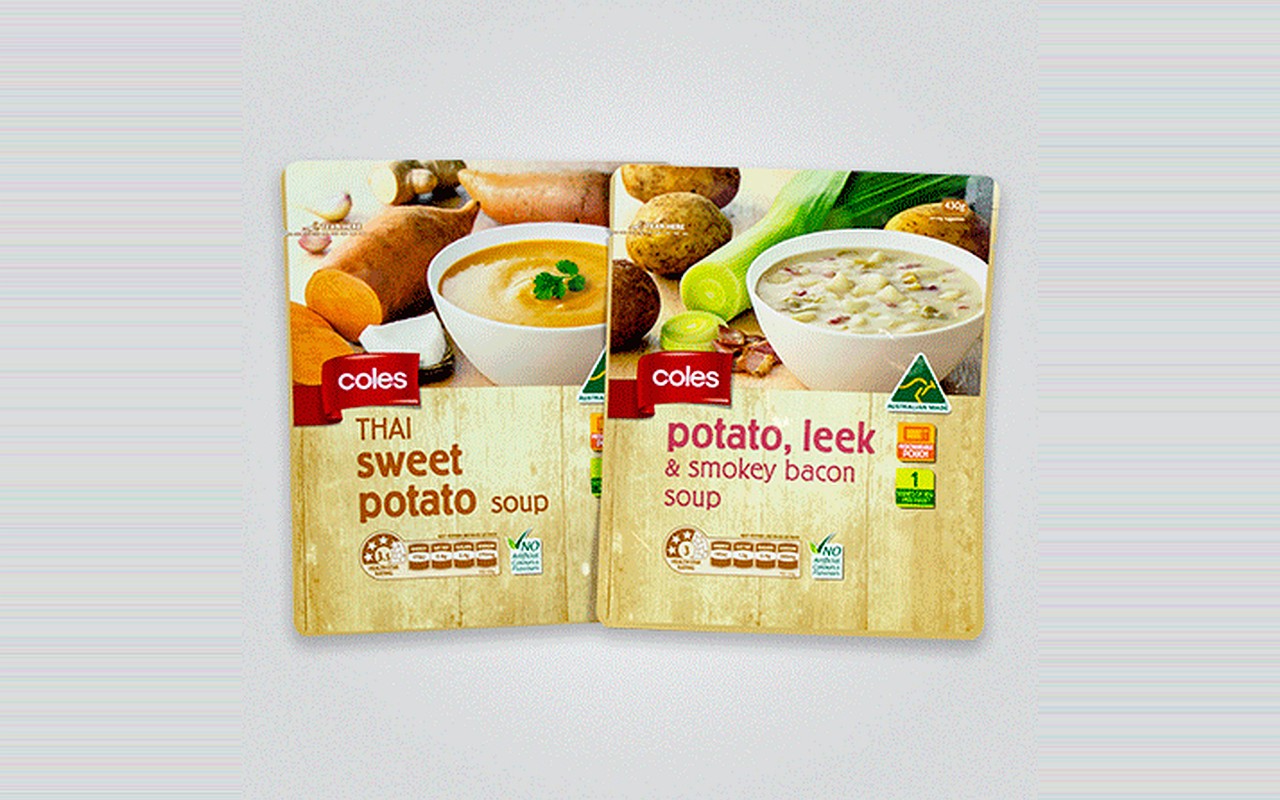
Retort Pouches
Four- and five-layer laminates that survive autoclave sterilization, hold an eighteen-month ambient shelf life and print like a premium bag.
See product
Sauces, ready meals, proteins, pulses and prepared components — packaging specified against your process sheet, not against a catalogue photograph.
Food processing is the category where a packaging mistake costs the most, because the pack has to survive a process before it ever survives a shelf. A sauce that is hot-filled at 88 °C, a stew that is retorted at 121 °C and a protein tray that is frozen to −18 °C are three completely different material problems wearing the same printed graphic.
That is why every quote we issue for a processor starts with the process sheet: fill temperature, sterilization or pasteurization profile, headspace, gas flush, target shelf life, distribution temperature and the machine the pack runs on. Five of those six answers determine the structure; the sixth determines whether it runs at speed.
We supply this sector as both rollstock and converted formats, because most processors run a mix: high-volume SKUs on a form-fill-seal line buying printed film by the roll, and smaller SKUs or new launches buying made pouches so no machine time is committed until the product proves itself.
The families this sector orders most often — and any of them can travel on the same purchase order.
Four- and five-layer laminates that survive autoclave sterilization, hold an eighteen-month ambient shelf life and print like a premium bag.
See product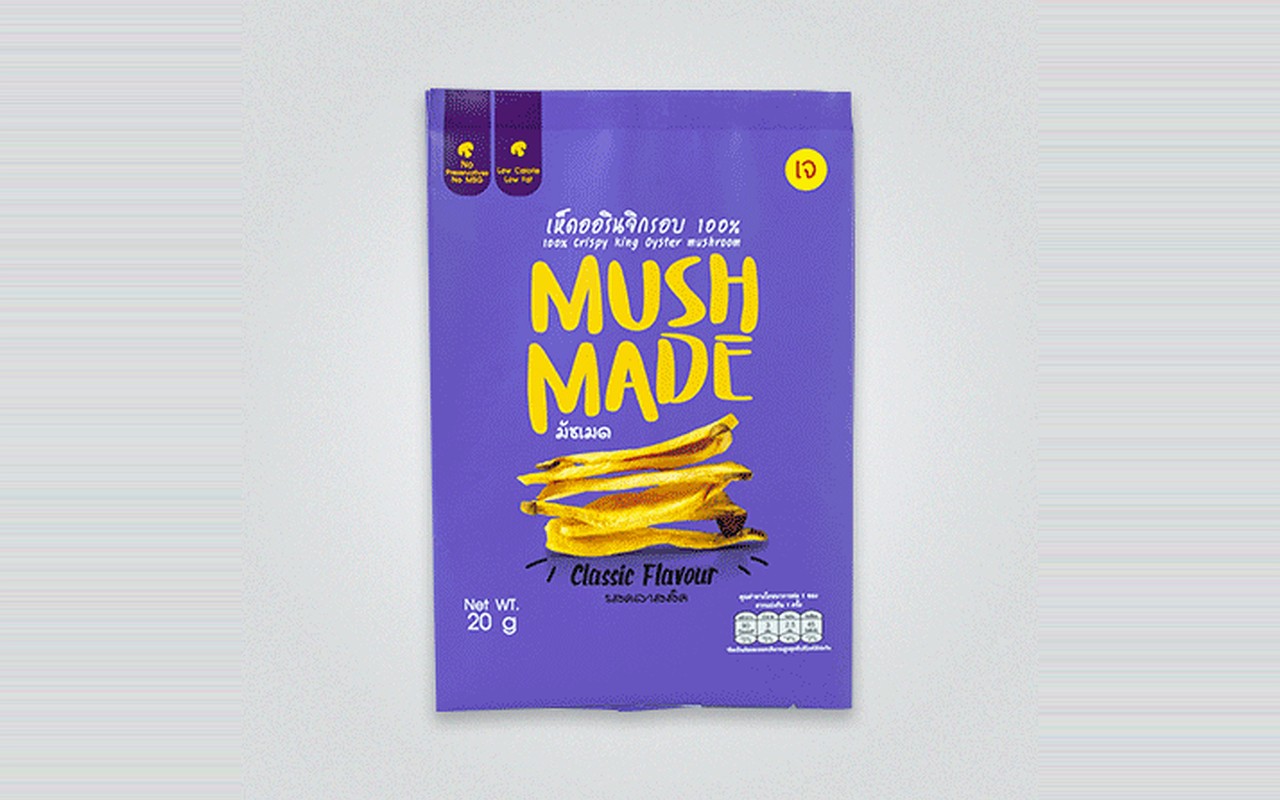
Doypack pouches with zipper, valve, window or spout, in high-barrier or recycle-ready mono-material structures, printed up to ten colours.
See product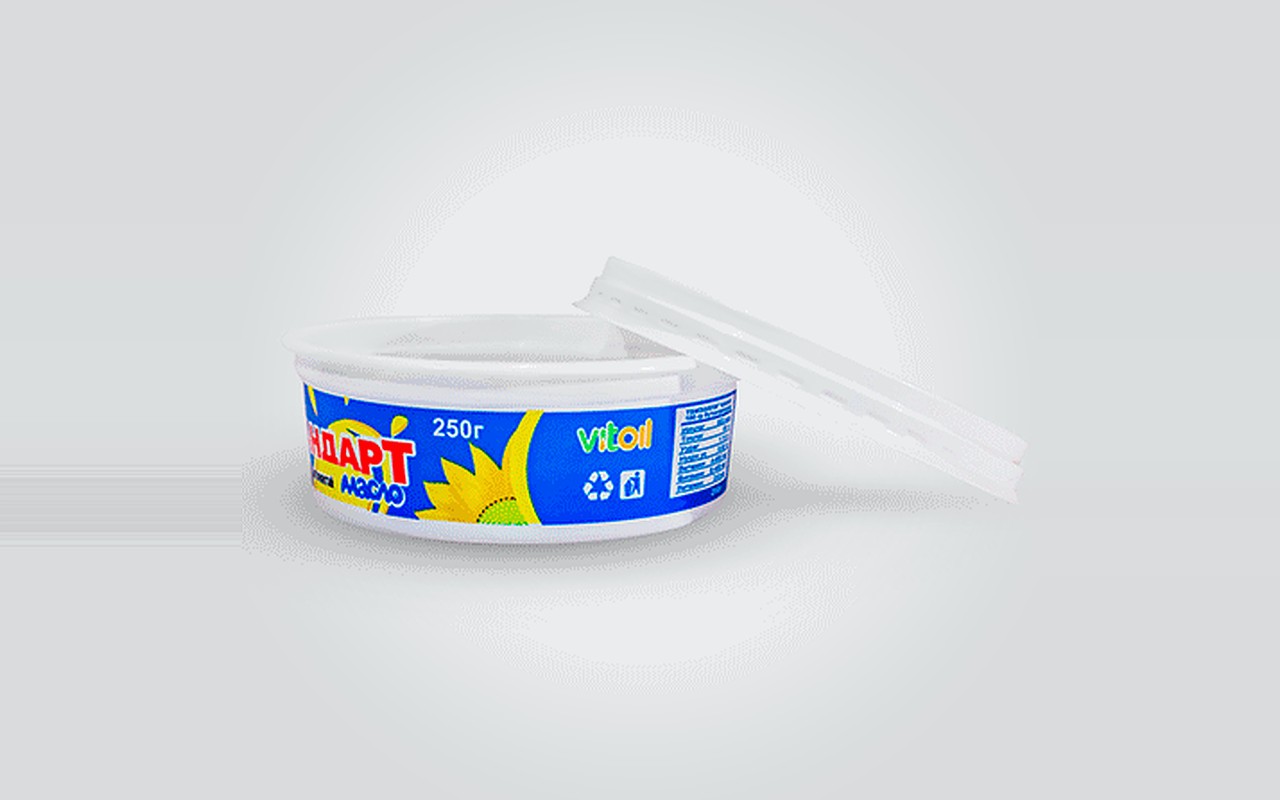
Printed peelable and weld-seal lidding for PP, PET, PS and PLA containers, die-cut or on reel, with anti-fog, high-barrier or reseal options.
See product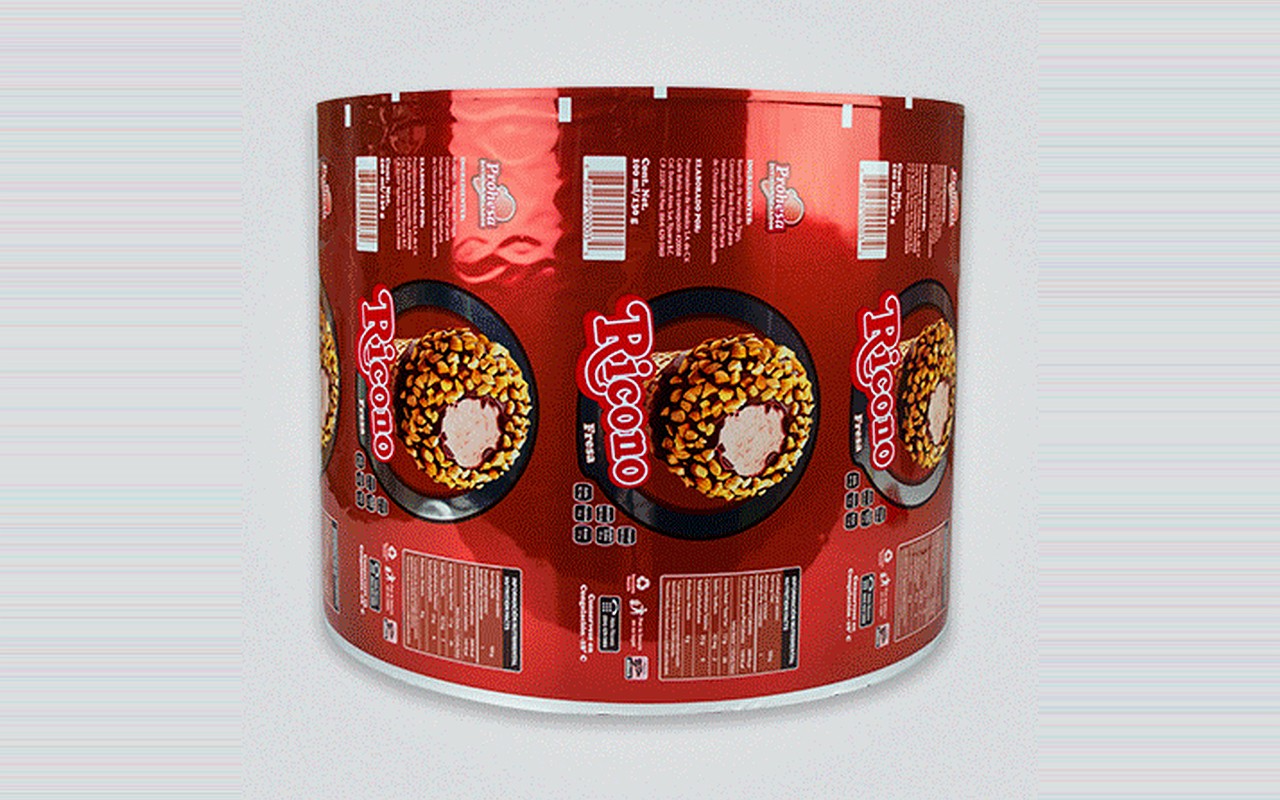
Transparent, white, pearlized and metallized BOPP for flow-wrap, form-fill-seal, lamination and overwrap, printed up to ten colours.
See productCall (323) 395-2880 and ask for expedite. If the tooling exists, we can usually pull a run forward; if it does not, we will tell you honestly what the fastest real date is.
Yes. For any new structure we produce a pilot lot or a trial roll and, where the process is critical, we attend the trial. Discovering a seal window problem on a pilot lot is inconvenient; discovering it on a full production run is expensive.
Usually, and we will tell you honestly when the incumbent structure is over- or under-specified for what you actually do with it. Send us a sample and the process sheet and we will report the layer construction we recommend.
Certificate of analysis for the lot, food-contact compliance declarations for the film, ink, adhesive and sealant, technical data sheets and, where relevant, seal strength and bond strength results against your specification.
Send us the product, the process and the volume. You get a structure proposal, a tooling cost and a lead time within 24 business hours.